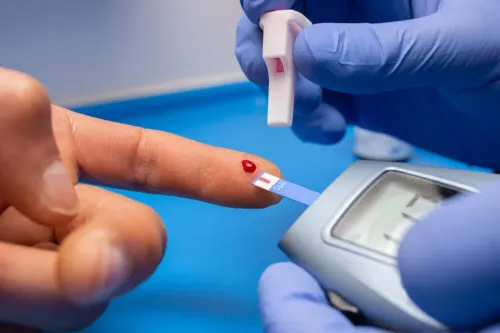

A general physician can manage many older adults with stable diabetes, but safe care requires more than checking HbA1c and renewing tablets. You will learn which checks belong in primary care, how frailty and memory change treatment, when specialist referral is needed, and how to prepare for a useful consultation.
Key takeaways
- A general physician can manage stable diabetes with glucose, HbA1c, medicine and follow-up reviews.
- After age 70, care prioritises hypoglycaemia prevention, function, kidney health and individual targets.
- Bring glucose logs, medicine strips, recent reports and questions about dizziness or missed doses.
- Seek a diabetologist or specialist for unstable readings, complex treatment or diabetes complications.
What diabetes care can a general physician provide for an older adult?
A general physician in Nashik can often provide first-line older adult diabetes care. The visit may include confirming the diabetes diagnosis, reviewing fasting, post-meal and home glucose readings, checking HbA1c, adjusting medicines, and setting a follow-up date. Stable diabetes does not automatically require an endocrinologist.
A safe review treats diabetes as part of the patient’s overall health, not as a blood-sugar number alone. The physician should assess:
- Blood pressure, cholesterol and cardiovascular risk
- Kidney function, including creatinine, estimated glomerular filtration rate and urine albumin
- Feet, pulses, sensation and possible neuropathy
- Eye examinations and changes in vision
- Hypoglycaemia, falls, appetite, weight loss and medication interactions
- Oral health, vaccinations, cognition and the patient’s ability to manage tablets, injections and glucose testing
Medicine adjustment must account for kidney function, dehydration, reduced appetite, memory problems, poor eyesight and limited hand strength. A lower dose, a simpler schedule or sick-day instructions may be safer than adding another drug. The physician should document glucose trends, treatment response and adverse effects at follow-up.
Defined safety boundaries matter. Refer to a diabetologist or another specialist for recurrent or severe low glucose, uncertain diabetes type, difficult insulin changes, advanced kidney or heart disease, severe infection, ulcers or persistently uncontrolled glucose.
A general physician can still coordinate referrals and continue managing blood pressure, infections and other age-related conditions as part of older adult diabetes care.
How does diabetes care change after age 70?
One HbA1c target does not suit every person after 70. A healthy older adult who manages medicines independently may follow a goal closer to that used for younger adults, while frailty, dementia or limited life expectancy can justify a less stringent goal.
The priority is safe glucose control, not a number pursued at the cost of independence.
A clinician adjusts the plan after checking:
- Frailty, falls, reduced appetite or unintentional weight loss
- Dementia, confusion and dependence on a caregiver
- Kidney impairment, dehydration and the need for renal-dose adjustment
- Poor eyesight or limited hand function that makes reading a meter or injecting insulin unsafe
- Multiple medicines that increase interactions, dosing errors or treatment burden
Low blood glucose can cause confusion, falls, seizures and hospitalisation, so preventing hypoglycaemia may matter more than further lowering HbA1c. The clinician balances that risk against expected benefit, remaining life expectancy, daily function and the person’s ability to eat regularly and follow instructions.
A simpler regimen can be safer than adding another medicine: fewer doses, clearer instructions and supervised administration reduce missed doses and accidental duplication. Review is especially important during fever, vomiting, diarrhoea or poor food intake.
A general physician diabetologist in Nashik can simplify treatment, adjust it for kidney function and coordinate caregiver support when older adult diabetes care becomes difficult to manage safely.
Which checks should be reviewed at an older adult diabetes visit?
A diabetes consultation in Nashik should review more than a glucose number. Bring recent reports, medicines and home readings so the clinician can assess safety as well as control.
- HbA1c, fasting glucose and post-meal glucose
- Blood pressure, cholesterol and cardiovascular risk
- Creatinine, estimated glomerular filtration rate and urine albumin
- Medication interactions, renal-dose needs and missed doses
- Any hypoglycaemia, including night-time sweating, confusion or falls
- Foot condition, pulses, wounds, skin changes and neuropathy
- Vision changes and the date of the last eye examination
- Oral health, dental problems and vaccination status
- Cognition, mood, mobility, falls and ability to manage daily tasks
Ask the clinician to watch you use insulin and your glucometer. Check injection sites, needle use, strip storage, hand washing, meter accuracy and what you do after a low reading.
Older adult diabetes care also needs written sick-day instructions: when to check glucose more frequently, drink fluids, seek advice about medicines during vomiting or poor intake, and never stop insulin without medical guidance.
| Finding | Action |
|---|---|
| Severe low glucose with confusion, seizure or unconsciousness | Give glucagon if prescribed and obtain emergency help |
| Repeated vomiting, dehydration, rapid breathing or fruity breath | Seek urgent assessment for serious hyperglycaemia or ketoacidosis |
| Chest pain, sudden weakness, trouble speaking or severe breathlessness | Call emergency services |
| A red, swollen, warm foot, pus or a new ulcer | Arrange urgent medical review, not a routine visit |
When is a diabetologist or another specialist needed?
A stable older adult does not automatically need an endocrinologist. The useful distinction is the clinician’s experience, monitoring plan and referral threshold, not the clinic label.
| Clinician | Best fit | Boundary |
|---|---|---|
| General physician | Stable diabetes, blood pressure, cholesterol and routine screening | Coordinates referrals when control or complications become difficult |
| General physician diabetologist in Nashik | Complex medicines, insulin adjustment and older-adult risks | Continues primary care while involving specialists |
| Specialist diabetologist in Nashik | Uncertain diagnosis, advanced complications or difficult insulin intensification | Often works with endocrinology and other specialists |
Refer or co-manage when you see:
- Recurrent or severe hypoglycaemia, especially with confusion, seizures, falls or night-time episodes: involve a diabetologist and diabetes educator.
- Suspected type 1 diabetes, unexplained weight loss, diabetic ketoacidosis or hyperosmolar illness: seek urgent hospital or endocrinology assessment.
- Rapidly worsening kidney function or advanced kidney disease: refer to nephrology.
- Glucose that remains uncontrolled despite a reasonable treatment plan, or insulin that is difficult to intensify safely: involve endocrinology or a diabetologist.
- Severe foot infection or an ulcer: arrange urgent podiatry or surgical foot care.
- Proliferative eye disease or sudden vision change: refer to ophthalmology.
- Chest pain, breathlessness or high cardiovascular risk: involve cardiology.
A general physician can remain the coordinating clinician for infections, medication interactions, blood pressure and age-related problems. At RadhaKrishna Health clinic, ask who will track kidneys, eyes, feet and emergency plans when specialist referrals are needed.
Related services
Diabetology I provide diabetology consultation at RadhaKrishna Health Clinic in Nashik. View service → |
Geriatric Care I provide geriatric care consultation at RadhaKrishna Health Clinic in Nashik. View service → |
How should the patient and caregiver prepare for a diabetes consultation?
Bring current prescriptions, insulin names and doses, the glucometer, glucose readings, and recent laboratory reports to the diabetes consultation in Nashik. Include HbA1c, creatinine, estimated glomerular filtration rate, urine albumin and lipid results if available.
- Write a complete medicine list, including tablets, injections, over-the-counter drugs and supplements.
- Note what the patient eats, skips, vomits or cannot afford, and record any missed or repeated doses.
- Record falls, dizziness, night-time sweating or confusion, and every low-glucose episode: time, reading, symptoms and treatment.
- Prepare questions about sick-day care during fever, vomiting, diarrhoea or reduced food intake, including which medicines to pause and when to seek help.
A caregiver should attend with the older adult’s consent when hearing loss, memory impairment, limited mobility or difficulty handling injections affects safety. Agree during the visit who will fill the pill box, supervise insulin, check glucose and respond to a low reading; do not assume this responsibility without the patient’s agreement.
| Caregiver role | What to clarify | Why it matters |
|---|---|---|
| Independent patient | Patient performs injections and checks | Confirms technique and safety |
| Shared support | Caregiver observes doses and readings | Reduces missed or duplicated treatment |
| Supervised treatment | Caregiver prepares or gives medicines | Protects patients with memory or hand-function problems |
When choosing a general physician in Nashik or a general physician diabetologist in Nashik, ask who will review kidney function, eyes, feet, cardiovascular risk and emergency plans. Also ask how referrals will be arranged when those checks fall outside primary care.
Frequently asked questions
What diabetes care can a general physician provide for an older adult?
A general physician can confirm the diagnosis, review fasting, post-meal and home glucose readings, check HbA1c, adjust medicines and arrange follow-up for stable diabetes.
How does diabetes care change after age 70?
Care after age 70 focuses on preventing hypoglycaemia while considering kidney function, other illnesses, medicines, mobility, cognition and the patient’s daily support.
Which checks should be reviewed at an older adult diabetes visit?
Review glucose readings, HbA1c, blood pressure, weight, kidney tests, medicine use, hypoglycaemia symptoms, foot health and diabetes-related complications.
When is a diabetologist or another specialist needed?
Seek specialist input for persistently uncontrolled glucose, repeated hypoglycaemia, complicated insulin treatment, uncertain diagnosis, difficult side effects or diabetes complications.
How should a patient and caregiver prepare for a diabetes consultation?
Bring a glucose log, medicine strips or a current list, recent HbA1c and kidney reports, details of symptoms, and questions about meals, missed doses and low glucose episodes.
Keywords